Package Bee Pricing (Why Spring Costs More and Fall Packages Disappear)
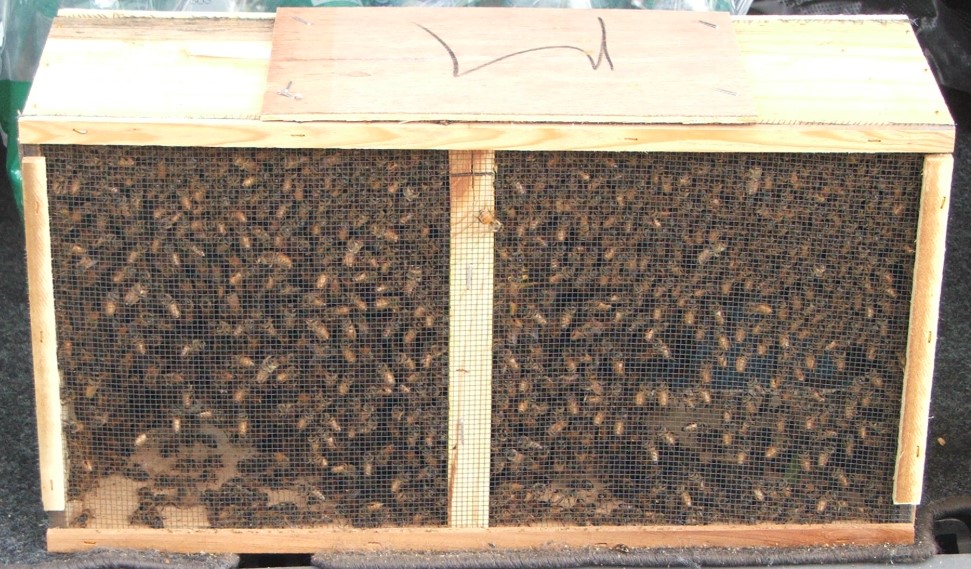
Photo: Chris Severn CC BY-SA 3.0 via Wikimedia Commons
Here's something that confuses new beekeepers every single year: you can buy package bees in April for $175. You cannot buy package bees in October at any price.This isn't a supply chain issue. It's not artificial scarcity or clever marketing. It's biology colliding with economics in ways that explain nearly everything about how the American beekeeping industry actually works.
The Price Tag Nobody Warned You About
A standard 3-pound package of bees - roughly 10,000 workers plus a mated queen in a screened wooden box - currently runs between $145 and $225 depending on breed, supplier, and location. That's up from about $17 per package in 2004, representing a price increase of over 700% in two decades.
To be clear: these numbers aren't adjusted for inflation. They're just what the sticker says at checkout.
The going rate for 2026 hovers around $175 for a basic Italian package with an unmarked queen. Want a marked queen so you can actually find her during inspections? Add $8. Prefer Carniolan or Russian genetics? Budget $180-$200. Need shipping instead of pickup? Some suppliers charge $221 for the same package that costs $164 at their loading dock.
And here's where it gets interesting. These prices only exist during a roughly eight-week window from late March through early May. After that, the entire package bee market essentially disappears until the following year.
The Apiary Project tracks honey bee health data so you don't have to.
Explore the Data Hub →Why Fall Packages Don't Exist
The simple answer is that you can't produce package bees without mated queens, and you can't mate queens without drones.
Drone production in honey bee colonies follows seasonal patterns tied to daylight and temperature. Colonies begin raising drones in early spring when resources increase, and by late summer, they're actively kicking drones out of the hive. A colony heading into winter with drones is a colony wasting resources on bees that consume honey but contribute nothing to winter survival.
Virgin queens need to mate with 12-20 drones over multiple flights during favorable weather - temperatures above 68°F, low wind, adequate daylight. This process happens in "drone congregation areas" where males from multiple colonies gather at specific locations. Miss this window and the queen either remains unmated (functionally useless) or becomes poorly mated (limited sperm storage, shorter productive lifespan).
Commercial queen producers in California and the southern states operate within these biological constraints. The queen production season typically runs from March through July, with some producers extending into August under optimal conditions. By September, drone availability becomes unreliable. By October, it's essentially over.
No drones means no mated queens. No mated queens means no packages.
The California Bottleneck
Nearly every package bee you can buy in America traces back to production operations concentrated in California's Central Valley and a handful of southern states. This geographic concentration isn't coincidental - it's directly tied to the almond industry.
California produces roughly 80% of the world's almonds. Those 1.3 million acres of almond trees bloom in February and require cross-pollination to produce nuts. The math is straightforward: two colonies per acre means the almond industry needs approximately 2.6-2.8 million honey bee colonies every February.
That's essentially every managed honey bee colony in the United States, all converging on California at the same time.
Almond pollination pays well. Current rates run around $181-$210 per colony for strong hives meeting frame count requirements. A beekeeper hauling 2,000 colonies to California can gross $400,000 in a few weeks of bloom. After trucking costs ($4,000-$8,000 per load from the East Coast), handling fees, and feeding expenses, the net might be 10% of gross, but that 10% represents the economic foundation of commercial beekeeping.
How Almonds Create Package Bees
Here's the connection nobody explains clearly: package bee production is essentially a byproduct of almond pollination.
When colonies finish pollinating almonds in late March, they're positioned in California with access to early spring forage. Commercial operations take advantage of this timing to "split" their colonies - dividing strong hives to create new colonies that need new queens. This is when the queen rearing operations shift into high gear.
The sequence works like this: Large operations like C.F. Koehnen and Sons or Olivarez Honey Bees maintain thousands of mating nucs (small colonies specifically for queen mating). They graft larvae from selected breeder queens, raise queen cells, and allow virgin queens to emerge and mate in these controlled environments. Weather permitting, a virgin queen completes her mating flights within 2-3 weeks of emergence.
Once mated and laying, queens get caged with worker bees shaken from production colonies. Those 10,000 bees in your package aren't a cohesive colony - they're strangers from multiple hives, introduced to a queen they've never met, stuffed in a box with a syrup can for the trip to your backyard.
Package production happens during April and May because that's when the infrastructure aligns: colonies are strong from almond feeding, queens can successfully mate, weather cooperates, and buyers in northern states face conditions suitable for new colony establishment.
The Supply Squeeze
The economics get tighter every year. Consider the math from the producer's perspective.
A strong colony used for almond pollination might earn $200 in February. That same colony could be split to produce package bees, but splitting weakens the parent hive for future honey production and next year's almond revenue. Every package sold represents opportunity cost.
Meanwhile, producer costs keep climbing. Trucking expenses have roughly tripled since the early 2000s. Labor is increasingly difficult to find - the Woodworths, a multi-generational beekeeping family, note that finding workers willing to handle the schedule and physical demands represents their biggest expense. Varroa mite treatments, feeding supplements, and equipment replacement add up.
Colony losses compound the problem. Winter mortality rates for commercial operations averaged 37.6% in 2023-24 - meaning more than one in three colonies die before spring. That's colonies that earned almond income but won't produce packages, won't make honey, and need to be replaced.
When producers lose colonies, they need those spring splits to rebuild their own operations rather than sell packages to backyard beekeepers. Several major suppliers sold out their 2026 allocations by January. One Wisconsin supplier noted that their California producers cancelled all 4-pound packages for 2026 due to "high losses and demand for replacements."
Why Prices Keep Rising
The 700% price increase since 2004 reflects several converging factors.
First, hobbyist beekeeping exploded in popularity. The "save the bees" movement brought enormous public interest, and backyard beekeeping grew from a niche agricultural practice to a suburban hobby. More buyers competing for limited supply pushes prices up.
Second, colony losses increased. Colony Collapse Disorder made headlines starting in 2006, and while that specific syndrome has faded, overall colony health continues struggling. Varroa mites, viruses, pesticide exposure, and nutritional stress combine to kill colonies at rates that would be considered catastrophic in any other livestock industry.
Third, almond acreage expanded dramatically. California planted 585,000 bearing acres in 1999 and 1.3 million by 2026. Every additional acre of almonds means two more colonies needed in February, further straining available supply for other uses including package production.
Fourth, input costs increased across the board. Fuel for trucking, labor wages, medication costs, sugar for feeding - everything commercial beekeepers purchase got more expensive.
The Spring Premium Explained
If you could theoretically buy packages in fall, they would need to cost less than spring packages to make any sense. Here's why they don't exist at any price.
A package installed in October faces fundamentally different survival odds than one installed in April. Spring packages have months of foraging ahead - time to draw comb, build population, and store resources before winter. Fall packages would need to be fed constantly while trying to prepare for winter with a population that's shrinking (as older foragers die) rather than growing.
Even if a producer could mate queens in September (difficult but sometimes possible), the economics don't work. Fall packages would have significantly lower survival rates, higher support costs, and unhappy customers. The liability exposure alone makes it not worth pursuing.
Some suppliers do offer queens into September or early October from earlier season mating. These late-season queens serve beekeepers who need to requeen existing colonies - a very different use case from starting new hives with packages.
Regional Price Variation
Package prices vary substantially by region, and the variation maps directly to distance from production centers.
California pickup locations offer the lowest prices - often $140-$160 per package - because there's no transportation cost beyond the buyer's trip to the apiary. Georgia suppliers, producing in another southern hub, charge similar rates for local pickup.
Midwest buyers typically pay $165-$185 for packages trucked from California. Suppliers like Hansen Honey Farm in Wisconsin or Nature's Nectar in Minnesota organize group shipments from California producers, spreading trucking costs across hundreds of packages.
East Coast pricing climbs toward $180-$225, reflecting longer shipping distances and often including USPS shipping rather than trucked delivery. Shipping live bees through the postal system works, but it adds both cost and mortality risk.
The further you are from California, the more you pay. This isn't price gouging - it's geography.
What You're Actually Buying
A 3-pound package contains approximately 10,000 worker bees (each pound equals roughly 3,500 bees), one mated queen in a separate cage, and a can of sugar syrup for transit feeding. The whole setup rides in a wooden-framed screened box designed for ventilation during shipping.
That queen in her cage might be the most important $30-50 of the entire purchase. She's typically 2-4 weeks old, has completed her mating flights with drones from the producer's carefully managed drone mother colonies, and has been evaluated for laying patterns before caging. Good producers select for traits like gentleness, productivity, and disease resistance in their breeding programs.
The workers are essentially a support system to get the queen established. They'll draw comb, forage, and tend brood - but within weeks, the original package bees begin dying off (workers live 4-6 weeks in summer) and the colony's population becomes entirely the offspring of your new queen.
Queen quality matters enormously. A well-mated queen with good genetics can head a productive colony for 2-3 years. A poorly mated queen might get superseded within months, fail entirely, or produce a colony with undesirable traits.
The Alternative: Nuclear Colonies
Many beekeepers bypass packages entirely by purchasing nucleus colonies - "nucs" - which are essentially small established colonies on 4-5 frames including brood, food stores, and a laying queen. Nucs cost more ($200-$350 typically) but offer better survival odds because the colony is already functional rather than being assembled from strangers.
Nucs also have limited seasonal availability, primarily late April through June in most regions. But their window is slightly more flexible than packages because they don't require the same industrial-scale production infrastructure.
The tradeoff is straightforward: packages cost less but require more work and carry more risk. Nucs cost more but give you a head start.
Timing Your Purchase
If you're planning to buy package bees, the ordering window matters as much as the price.
Many suppliers begin accepting pre-orders in December or January for spring delivery. Popular producers sell out their allocations by February. Waiting until March or April means paying premium prices for whatever's left - or finding nothing available at all.
Deposits range from 50% to full payment depending on supplier policy. Refund terms vary significantly, with most suppliers stating "no refunds after March 1" or similar cutoffs. This protects producers who commit to California suppliers months in advance based on pre-order counts.
Pickup dates typically cluster in late April through early May for northern states, with earlier availability (late March through April) in southern regions. Weather in California affects production timing - a cold wet spring delays queen mating and pushes back the entire schedule.
The Bigger Picture
Package bee pricing ultimately reflects the economics of an industry built around almond pollination. Commercial beekeeping in America wouldn't exist in its current form without the $350+ million annual pollination market in California's Central Valley.
That industry faces serious challenges. Colony losses remain stubbornly high. Labor is difficult to find. Almond prices have dropped while input costs climbed. Some major operations have failed in recent years, reducing supply capacity.
For backyard beekeepers buying their annual package, these distant economic forces translate into prices that seemed outrageous a decade ago and now look normal. The $175 package that makes you wince today might seem reasonable compared to whatever 2026 pricing brings.
The biology hasn't changed - bees still need drones for mating, still follow seasonal cycles, still die at rates that challenge even experienced beekeepers. But the economics keep shifting, and package prices follow.
Spring packages exist because that's when the system produces them. Fall packages don't exist because biology won't cooperate. And prices reflect an industry where every colony represents competing demands for almond income, honey production, replacement stock, and package sales.
Understanding these dynamics won't make your package cheaper. But it might explain why, every April, beekeepers line up to pay $175 for a screened box of strangers and a caged queen - and why October buyers are simply out of luck.