How Many Bees Are in a Hive? The Number Varies a Lot
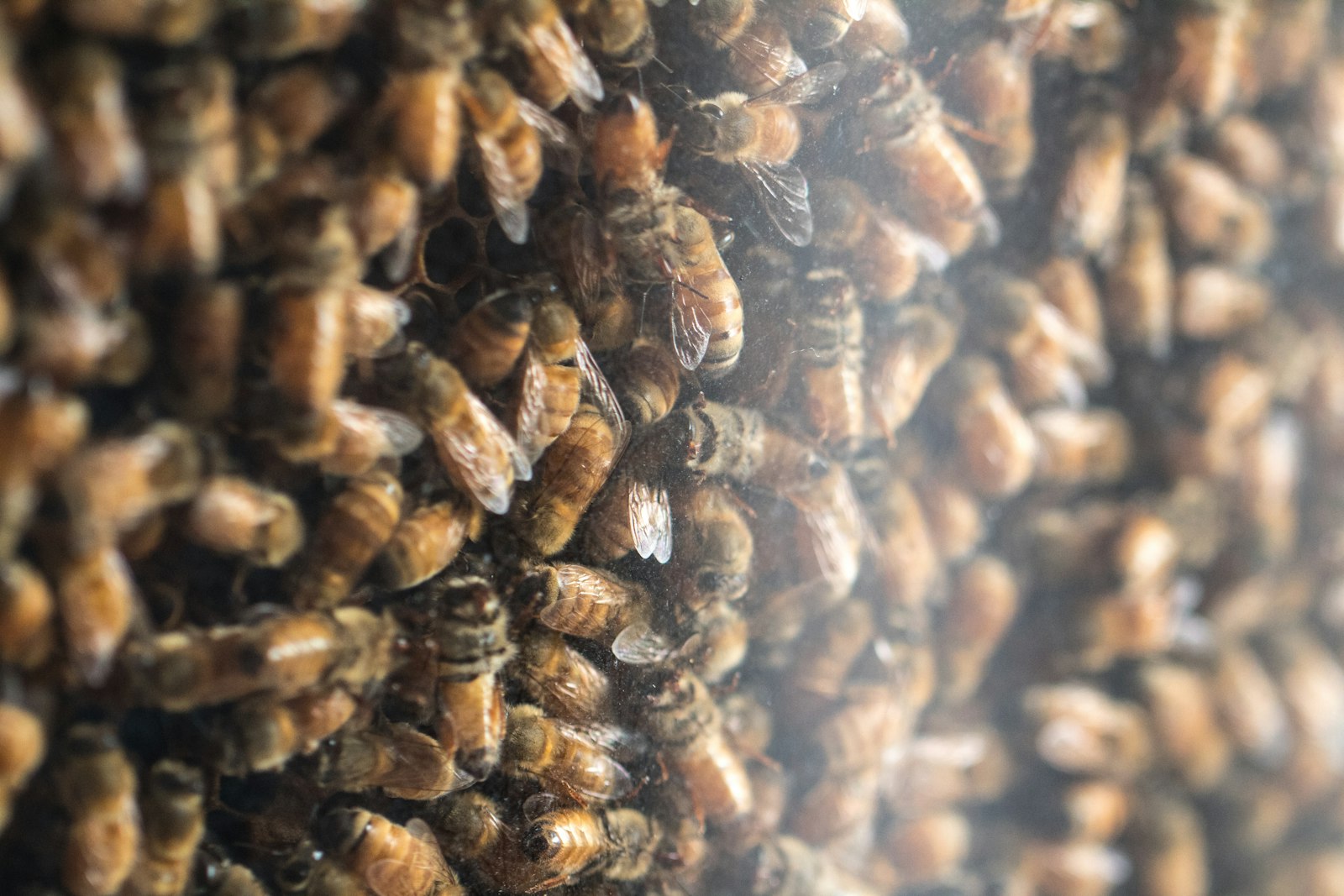
A colony in peak summer might hold 80,000 bees. The same colony in January might hold 8,000. That's not a symptom of trouble. That's the plan. The colony deliberately shrinks itself to the population it can sustain through winter on stored honey, then rebuilds when conditions allow. What looks like a dramatic collapse is actually a calculated contraction - a colony doing exactly what colonies do.
The standard figure you'll see quoted is 60,000 bees in a healthy summer hive. That's more like the peak of a curve that bottoms out near 8,000 in deep winter and can spike past 80,000 in a strong spring buildup. Ask a beekeeper the number and you'll get a pause - not because they don't know, but because the answer keeps changing. The hive is not a static container. It's a population that expands, contracts, and rebuilds itself on a timescale of weeks.
The Peak Season Number
At full summer strength, a Langstroth hive with a productive queen can house 50,000 to 80,000 worker bees. The single queen lays 1,500 to 2,000 eggs per day when conditions are right. Each worker bee lives roughly six weeks during the active season - working themselves, quite literally, to death - so the colony is running a constant replacement operation just to stay even. Stop the queen from laying for a few weeks and the population begins a slow collapse, even with no other stressors involved.
Those workers aren't a monolith. A colony's population divides by age and task: nurse bees caring for brood, wax-builders drawing comb, foragers flying 2 to 5 miles in search of nectar and pollen, guards at the entrance, undertakers dragging out the dead. The actual number on any given day reflects how well all those roles are filled.
Drones - the males - add a few hundred to a few thousand to the count during spring and summer, then essentially none by fall. The colony evicts them before winter rather than feed them through the cold months.
The Apiary Project tracks every major threat to US honey bee colonies.
Explore the Issues Hub →Winter: The Number That Actually Matters
The summer peak is impressive but the winter number is what most beekeepers are watching. A colony that heads into January with 8,000 to 12,000 bees sitting in a tight cluster, packed around their queen, has a reasonable shot at making it through. A colony that drops below that threshold - from disease, starvation, or late-season mite pressure - usually doesn't.
The math here is unforgiving. Those winter bees are physiologically different from summer workers - living months instead of weeks, fat bodies loaded with protein reserves - but they're still burning calories to generate the heat that keeps the cluster above 57°F. Too few bees and they can't maintain cluster temperature. The colony freezes. The honey that would have fed them sits in the combs until spring, untouched.
This is the gap that shows up year after year in national colony loss data: colonies lost over winter consistently outpace summer losses. The size of the entering winter population is one of the most predictive factors in whether a colony survives.
The Spring Rebuild
Sometime in late January or February - earlier in the South, later in the North - the queen begins laying again in response to lengthening days. The cluster slowly expands. Foragers start taking cleansing flights on the first warm days. By April, a surviving colony is in rapid buildup mode, adding population at a pace that can feel alarming if you haven't seen it before.
A colony that started winter at 10,000 bees and survived can be at 40,000 by May and 60,000 by June. The rebuilding happens fast because the colony has been suppressing its growth instincts for months. Release the brake and the population accelerates.
This is also when swarming becomes a real possibility - the hive running out of space before the beekeeper can add more. A colony that swarms sends roughly half its population out with the old queen, which means you're suddenly looking at two populations of 20,000 instead of one of 40,000. Both will rebuild, if everything goes right.
Why Varroa Scrambles All of This
The population numbers above describe a healthy colony functioning as designed. Introduce Varroa destructor mites at high levels and the math changes.
Varroa reproduce in capped brood cells. High mite loads translate directly to damaged bee larvae - shorter-lived workers, bees with deformed wings that can't fly or forage, reduced fat body development in winter bees. A colony heading into October with a mite count above 2-3% of the bee population is not going to make it to February at 10,000 bees. It's going to collapse - often suddenly in November or December, when varroa-damaged winter bees begin dying faster than the queen can replace them.
The Apiary Project tracks colony loss trends in our State of Beekeeping report, and the pattern is consistent: years with high varroa pressure correlate with higher winter losses, which correlate with smaller entering-winter populations, which means more colonies starting spring with a deficit they can never quite close.
What Counts as a Strong Colony
Beekeepers talk about "strong" and "weak" colonies in ways that sound qualitative but usually mean something specific: population density on the frames. A common shorthand is 8 or more frames covered with bees in mid-summer. Ten frames covered is a genuinely strong colony. Five or six is a colony that's getting by. Fewer than that and you're looking at a colony that's struggling, probably for a reason worth investigating.
Frame coverage translates roughly to population. A frame with bees packed shoulder to shoulder on both sides holds about 3,500 to 4,000 workers. Eight such frames puts you at 28,000 to 32,000 - which sounds like a lot until you remember that a peak-season hive should have nearly twice that.
The organizations and researchers documenting colony health across the US - many of them mapped in The Pollinator Community - use slightly more precise methods for their surveys: alcohol washes, sticky boards, sugar rolls. But the frame-coverage intuition that experienced beekeepers develop over years tracks surprisingly well with those measurements.
The Number Is Also a Warning System
The reason beekeepers obsess over colony population isn't just academic interest. Population is a leading indicator. A colony losing bees faster than it's producing them is a colony that's heading somewhere bad. The destination might be starvation, disease, a failing queen, or something more systemic - but the population decline is usually visible before the cause is understood.
In that sense, the number of bees in a hive is less a fact and more a question: is this colony on the way up or the way down? A 40,000-bee colony that was 60,000 last month is a very different situation than a 40,000-bee colony that was 25,000 last month. Same number, completely different stories.