Beekeeping practice

Discover 12 posts about beekeeping practice
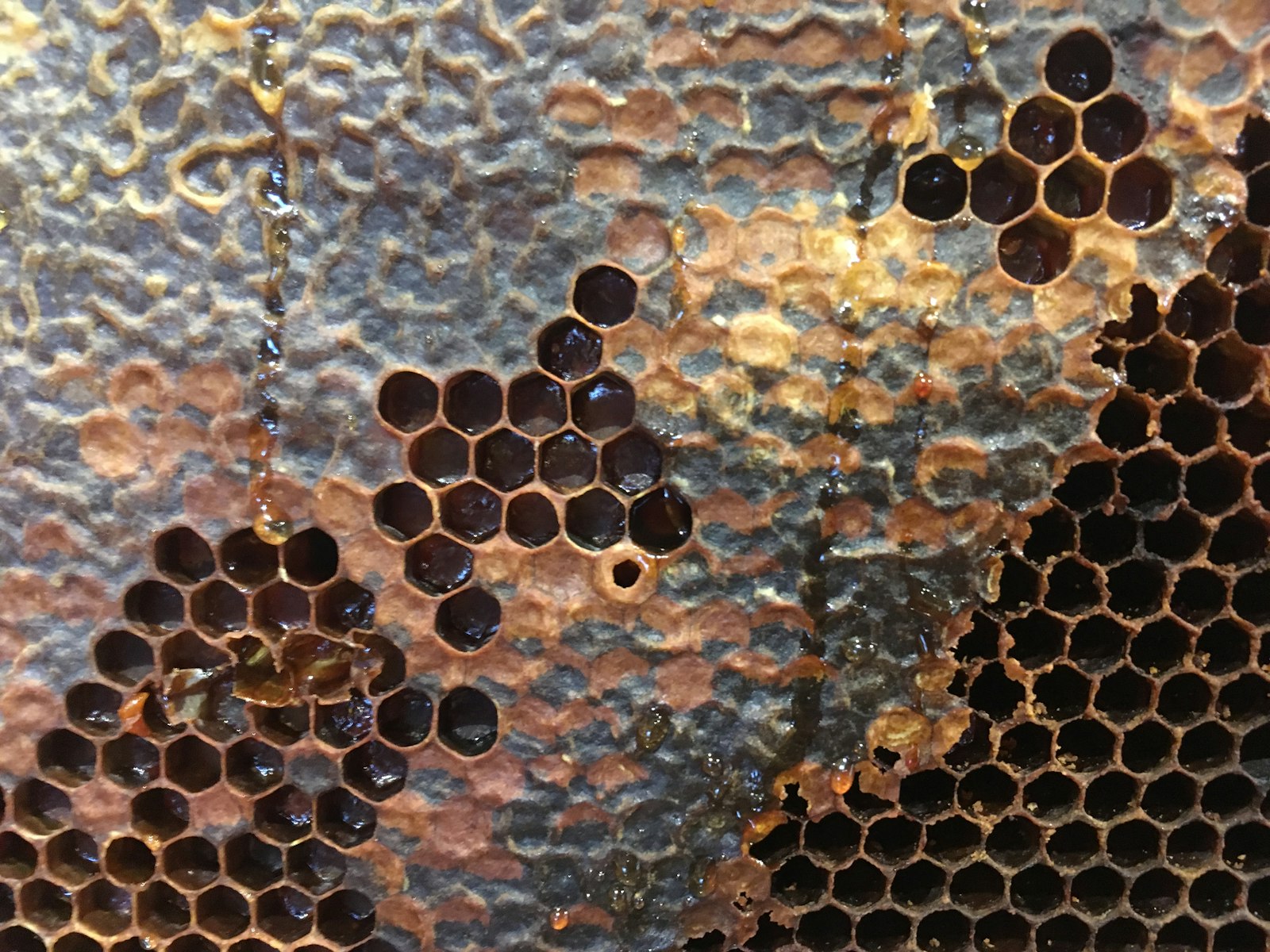
Comb Honey Production: The $25-Per-Pound Comeback
Beekeeping practice

Comb Honey Production: The $25-Per-Pound Comeback

Comb honey was the default until the 1900s. Extractors killed it. Now it commands $20-30/lb at farmers markets and production can't keep up with demand.

March 3, 2026
comb honeycut comb
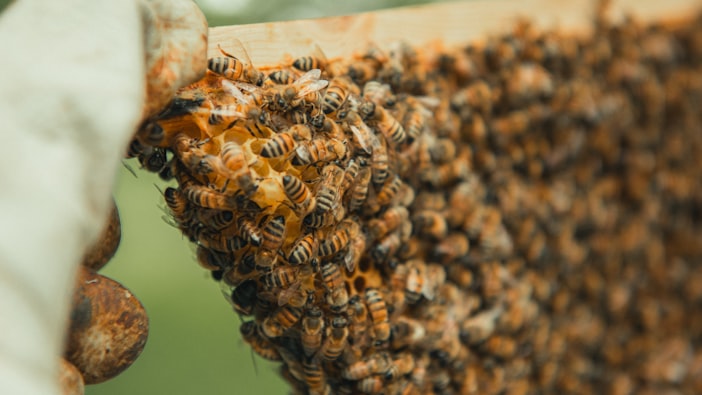
Spring Buildup: 10,000 Bees to 50,000 by June
Beekeeping practice

Spring Buildup: 10,000 Bees to 50,000 by June

A colony doubles every three weeks in spring. The queen goes from dozens of eggs per day to 2,000. One warm week in March can determine if a colony makes it.

February 27, 2026
spring buildupcolony expansion
Beekeeping Clubs and the Mentor Effect
Beekeeping practice

Beekeeping Clubs and the Mentor Effect

Beekeepers with a mentor have a 20% dropout rate. Without one, it's over 50%. The 4,000 local clubs in the US are the difference between quitting and staying.

February 25, 2026
beekeeping clubsbeekeeping mentors
Varroa Treatment Timeline: When Beekeepers Treat
Beekeeping practice

Varroa Treatment Timeline: When Beekeepers Treat

The timing of mite treatments matters more than the chemical. Treat too late and winter bees are already damaged. The calendar isn't optional.

February 21, 2026
Varroa treatmentmite threshold
Swarm Traps: Catching Free Bees With a Box
Beekeeping practice

Swarm Traps: Catching Free Bees With a Box

A 40-liter box with a south-facing entrance, 3 meters up, baited with old brood comb. Seeley's research validated the formula. Catch rates approach 80%.

February 17, 2026
swarm trapbait hive
Queen Supersedure: When Colonies Replace Their Queen
Beekeeping practice

Queen Supersedure: When Colonies Replace Their Queen

When the queen's pheromone output drops, workers build replacement cells mid-comb. Sometimes the old queen survives. Sometimes mother and daughter coexist.

February 15, 2026
supersedurequeen replacement
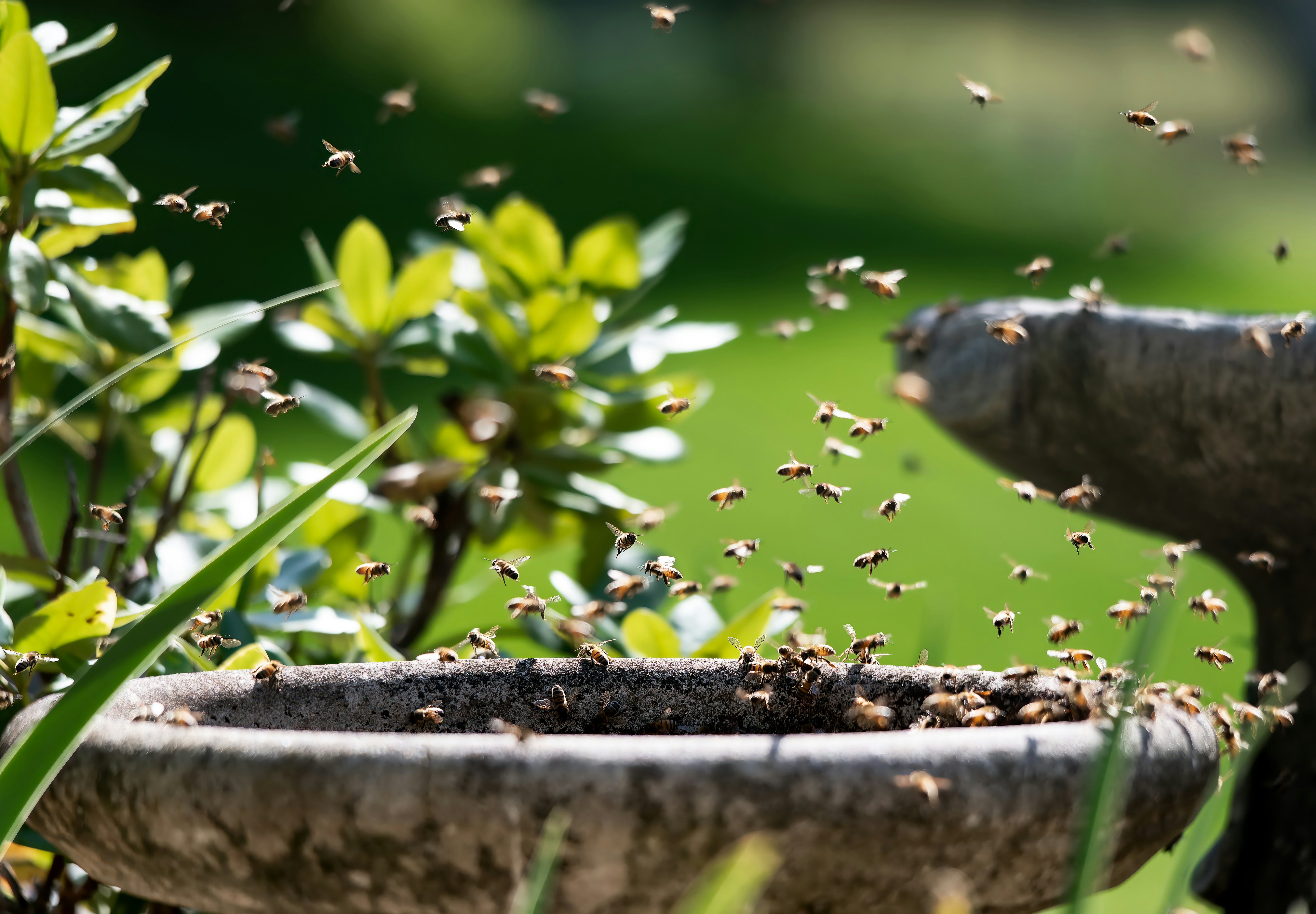
Bee Water Foraging and the Swimming Pool Problem
Beekeeping practice

Bee Water Foraging and the Swimming Pool Problem

A colony consumes up to 1 liter of water daily - none of it for drinking. The nearest reliable source is often your neighbor's pool. Bees don't forget it.

February 2, 2026
water foragingbee water
Absconding vs. Swarming: When Bees Leave the Hive
Beekeeping practice

Absconding vs. Swarming: When Bees Leave the Hive

Swarming is reproduction - half the colony leaves. Absconding is abandonment - the entire colony vanishes. The triggers, timing, and outcomes differ completely.

January 27, 2026
abscondingswarming
Dead Bees at the Hive Entrance: Reading the Signs
Beekeeping practice

Dead Bees at the Hive Entrance: Reading the Signs

A scattering of dead bees with intact wings is Tuesday. Deformed wings mean Varroa. Extended tongues mean pesticide. The entrance is a diagnostic window.

January 12, 2026
dead beeshive diagnostics
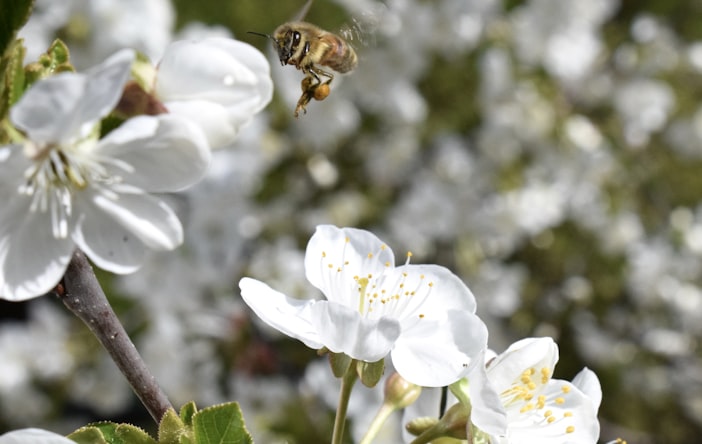
Bee Forage and the Monoculture Nutrition Crisis
Beekeeping practice

Bee Forage and the Monoculture Nutrition Crisis

A colony surrounded by 10,000 acres of soybeans is starving. Monocultures bloom for two weeks then become a floral desert. Bees need diversity, not volume.

January 3, 2026
bee foragenectar flow
Feral Bees and Darwinian Beekeeping in Arnot Forest
Beekeeping practice

Feral Bees and Darwinian Beekeeping in Arnot Forest

Seeley tracked wild colonies in Arnot Forest for 33 years. They survive untreated. Small cavities, high swarming rates, and natural selection explain why.

December 16, 2025
feral honey beesDarwinian beekeeping
Queen Rearing: Grafting and the Breeding Industry
Beekeeping practice

Queen Rearing: Grafting and the Breeding Industry

A queen breeder grafts 12-hour-old larvae into wax cups with a toothpick-sized tool. The industry produces over a million queens a year, mostly in three states.

December 14, 2025
queen rearinggrafting